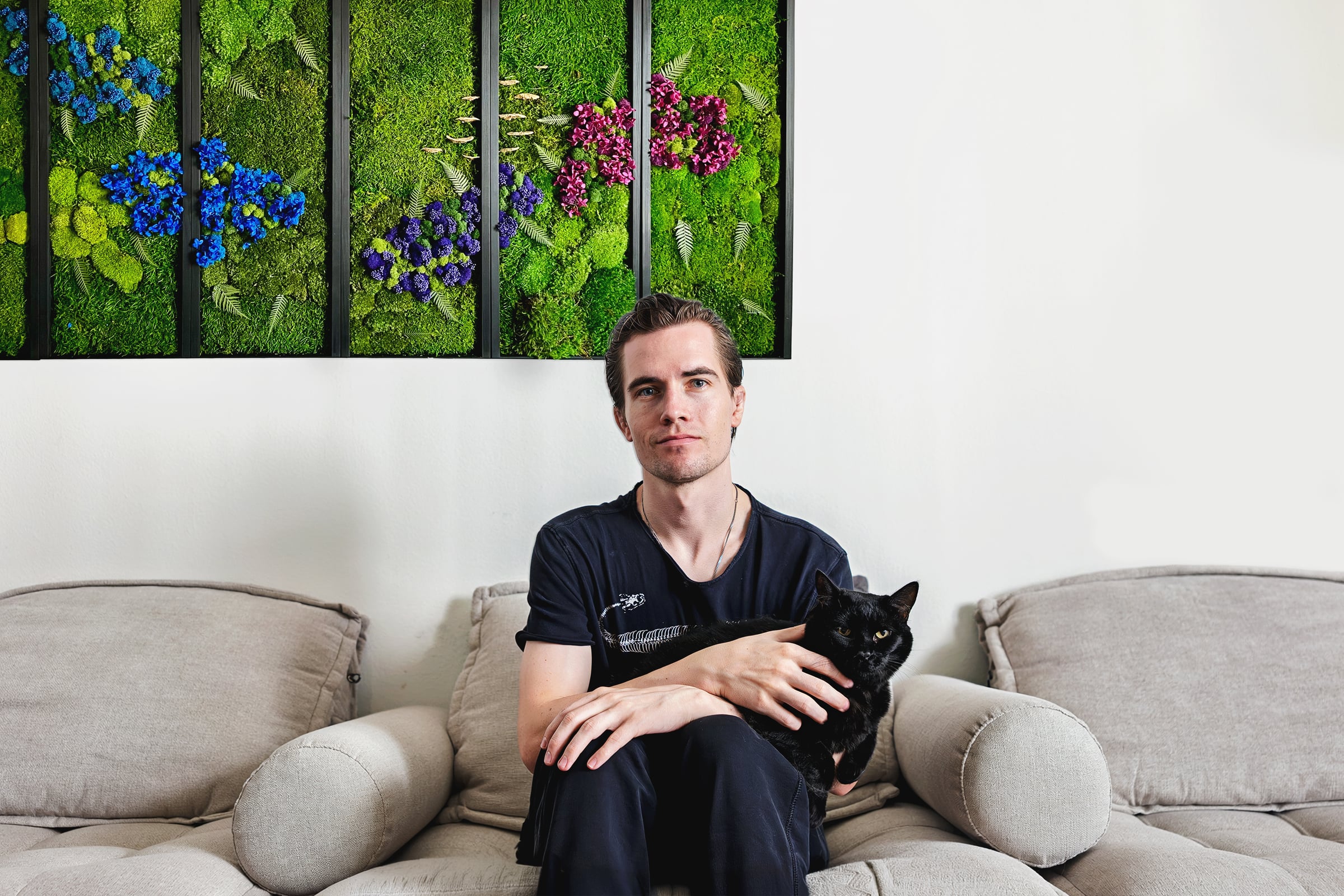
When Jonathan Olesen first started reselling clothes, technology, and shoes during the pandemic, he couldn't have imagined where it would lead. But after years of navigating massive marketplaces like Amazon, Walmart.com, and TikTok, he discovered something that frustrated him deeply: creators, artists, artisans, and small businesses were paying the price — literally. That frustration became the spark for Wabbus, an e-commerce marketplace built on a radically different philosophy.
“After years on the big platforms, we stopped asking how to win big corporate games and decided to build one that is fairer to everyone,” said Olesen, who graduated from the University of Arizona in 2022 with degrees in marketing and business administration. “Wabbus is simple: put makers first, and build the marketplace around that.””
Olesen, who was born and raised north of Tucson, leads a small team of mostly University of Arizona alumni, including Nigar Fatali who graduated with her master's degree from the UA’s School of Journalism and is now based in Dallas where Fatali runs Mosstique as a side hustle with her husband. MOSSTIQUE sells beautiful pieces of wall art using preserved moss and plant matter.
Mosstique has been running for several years, and Fatali has started migrating from Etsy and onto Wabbus, selling her custom-order pieces.
A Name Inspired by Purpose
Named after Abby, the team’s beloved black cat who was adopted from the Pima Animal Care Center, Wabbus embodies something more than just a platform: It's a commitment to putting people first. After eventually shifting focus to manufacturing and selling adhesives, Jonathan realized that the real problem wasn't what he was selling: it was how the game was rigged against small business owners and independent creators.
The Wabbus marketplace is available online on Wabbus.com, while Wabbus and the Wabbus Seller apps are available for download for free from the Apple App Store and the Google Play Store. Wabbus offers customizable storefronts with unique URL addresses and QR codes for vendors; a live-selling feature; a featured vendors section that will rotate regularly. Vendors can also offer custom-made orders, made-to-orders, and personalization to existing items.
While the marketplace is free, Wabbus uses Stripe as its payment processor and there is a standard payment processing fee of 2.9 percent + .40 cents USD applied to each order. Stripe handles all of the financial transactions, including bank and payment verification as part of the service.
Fair. Human-First. Free.
The marketplace Jonathan built reflects years of hard-won wisdom: free to join, free to list, and zero commission. These weren't arbitrary choices. These were decisions the co-founders made out of frustration with systems that extracted value at every turn, leaving creators with less.
But Wabbus is more than a set of policies; we are a partnership. We work closely with our vendors to understand their challenges and build solutions that actually work for them. Because the people behind the products matter. Their success is our success.
Brandon Varela, who is the director of the Old Pascua Museum & Yaqui Culture Center, first met the team behind Wabbus in 2025 on projects that helped tell the story of the Yaqui Nation and the museum. Varela runs Strictly Doja Arts on Wabbus and was an early adopter and partner with Wabbus. His feedback and guidance proved invaluable in helping shape the seller experience for both the website and the Wabbus Seller app.
“Creating on it is so easy,” Varela said. “You can make your storefront yours with little to no difficulties.”
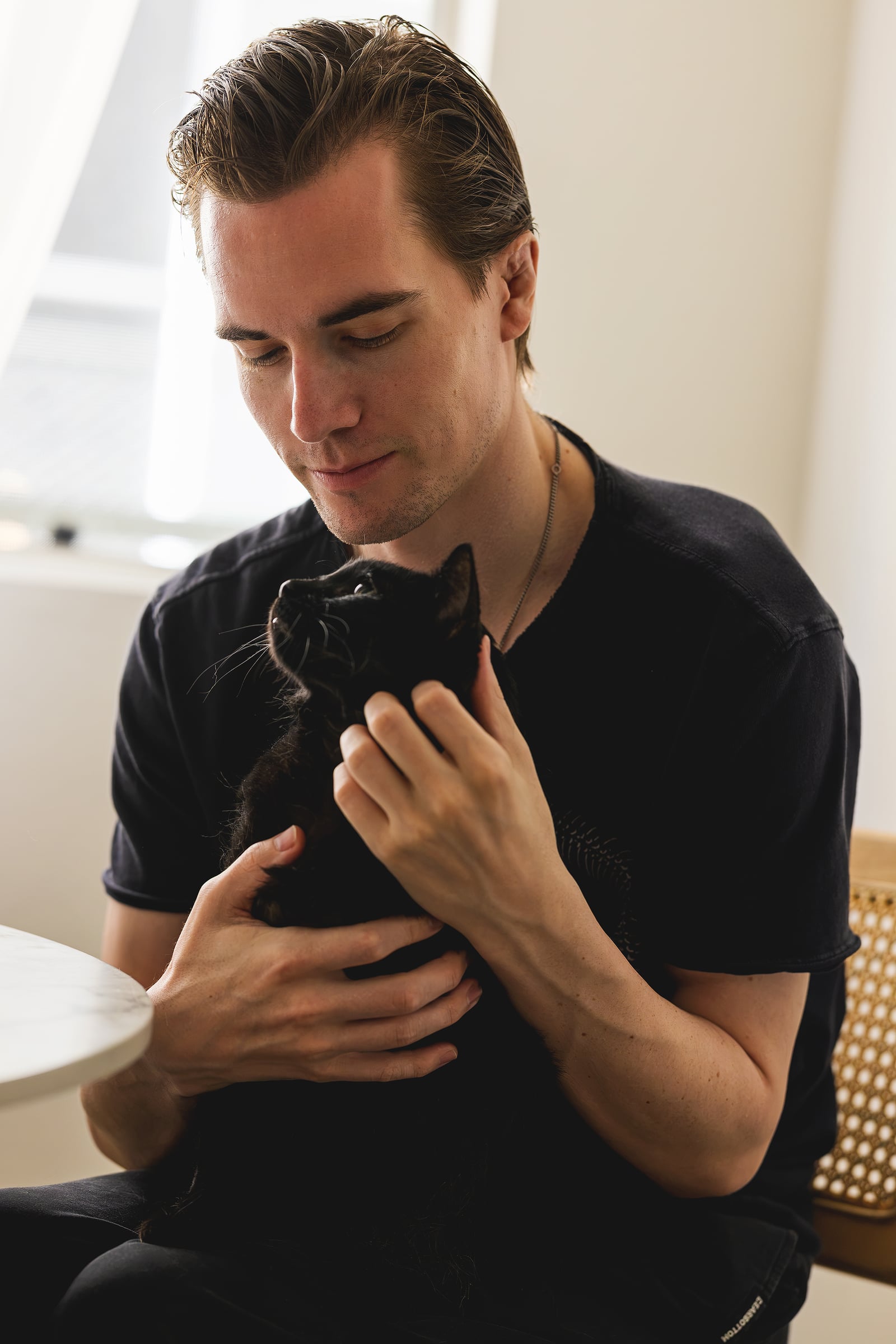
Wabbus exists because the team believes there is a better way for marketplaces to exist where makers, artists, resellers and small businesses can thrive without surrendering their margin to middlemen.
“We’ve been able to create something that can help platform for artists and small businesses in Tucson and around the world,” Olesen said.
It all started from Jonathan's vision. And Abby's name lives on with every transaction as a reminder of why it matters.