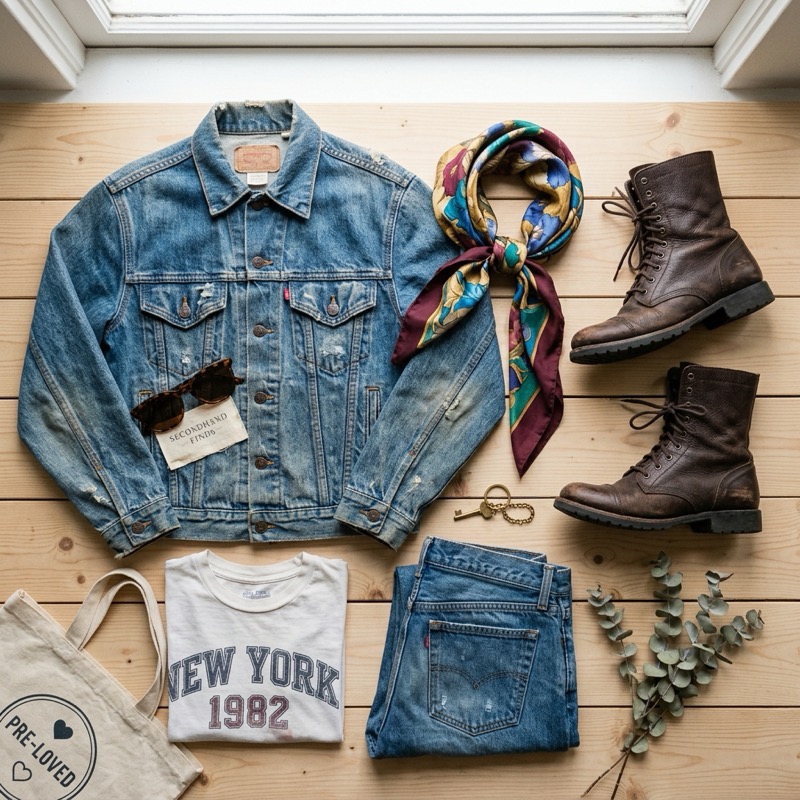
Secondhand Style: How to Sell Pre-Owned and Vintage Clothes Online
The circular fashion economy is experiencing explosive growth. Driven by environmental awareness and a love for unique, vintage aesthetics, consumers are buying secondhand clothes at record numbers.
For fashion resellers and vintage collectors, this shift represents a massive opportunity. Whether you want to clear out your closet, flip thrift store finds, or build a curated vintage brand, selling pre-owned clothes online is a lucrative business model.
However, the competition is fierce. To stand out and get top dollar for your items, you must present your clothing professionally and choose a sales channel that respects your margins. Here is how to succeed.
1. Preparing Garments: The Cleanliness Standard
In secondhand fashion, first impressions are everything. A buyer who receives a wrinkled, dusty garment is highly likely to request a refund and leave a bad review.
Always prepare your items before photographing and listing:
- Wash and Refresh: Clean every garment thoroughly. Use scent-free detergents to prevent triggering allergic reactions in buyers.
- De-Wrinkle: Use a garment steamer or iron to remove all wrinkles. Steamed garments look significantly more premium and hold their shape better in photos.
- Lint Roll and De-Pill: Run a lint roller over the fabric to remove hair and dust. Use a fabric shaver to remove pills (tiny fuzzballs) on sweaters and knits, restoring them to like-new condition.
- Honesty on Flaws: Inspect the item under bright light. If there is a small stain, loose thread, or missing button, note it clearly in your description. Honesty builds long-term customer trust.
2. Aesthetic Photography: Flat-Lays vs. Hanger Styles
Buyers browse clothing feeds visually. Your cover photo is the single most important factor determining whether a buyer clicks on your listing.
Choose an aesthetic setup that fits your style:
- Hanger Style (Structured & Professional): Hang the garment on an aesthetic wooden or velvet hanger against a plain, neutral wall. Ensure the wall is clean and the lighting is bright and even.
- Flat-Lay Style (Gen Z & Vintage Vibe): Arrange the garment flat on a clean background (like a light wooden floor or plain sheet). Surround it with complementary items—like a pair of sunglasses, a bag, or shoes—to show how the piece can be styled.
- Show Tags and Labels: Always include close-up photos of the brand tag, size label, and fabric content tag. This proves the authenticity of the item and helps buyers verify materials (e.g., 100% silk vs. polyester).
Always shoot in bright, indirect natural light. Avoid yellow artificial lighting, which distorts fabric colors.
3. The Measurement Standard: Outlaw Sizing Confusion
A "vintage size 10" is often equivalent to a modern size 4. Even with modern brands, sizing varies drastically. Since customers cannot try clothes on, you must provide flat measurements in your descriptions to prevent returns:
- Chest (Pit-to-Pit): Lay the garment flat and measure from one armpit seam to the other.
- Length: Measure from the top of the shoulder hem to the bottom edge of the garment.
- Waist: For trousers or skirts, measure across the waistband and double the number.
- Inseam: For pants, measure from the crotch seam down to the ankle hem.
4. Reclaiming Reseller Margins
Reselling clothes requires constant sourcing (thrifting, estate sales) and time-intensive shipping preparation. When you sell a curated vintage jacket for $100, traditional resale apps take a massive chunk of your revenue.
Typical fashion marketplaces charge a 10% to 20% commission fee on every sale. When combined with listing fees and payment processing costs, you can lose up to a quarter of your earnings to the platform.
At Wabbus, we support independent fashion resellers by offering a 0% platform commission and no listing fees. You keep 100% of your resale value, allowing you to reinvest in higher-quality inventory and sustainable shipping supplies.
Learn how to open your online fashion closet and start listing your vintage collection fee-free by reading our guide on .
By focusing on clean garment prep, precise measurements, aesthetic photography, and listing on a commission-free platform, you can turn pre-owned garments into a highly profitable fashion brand.