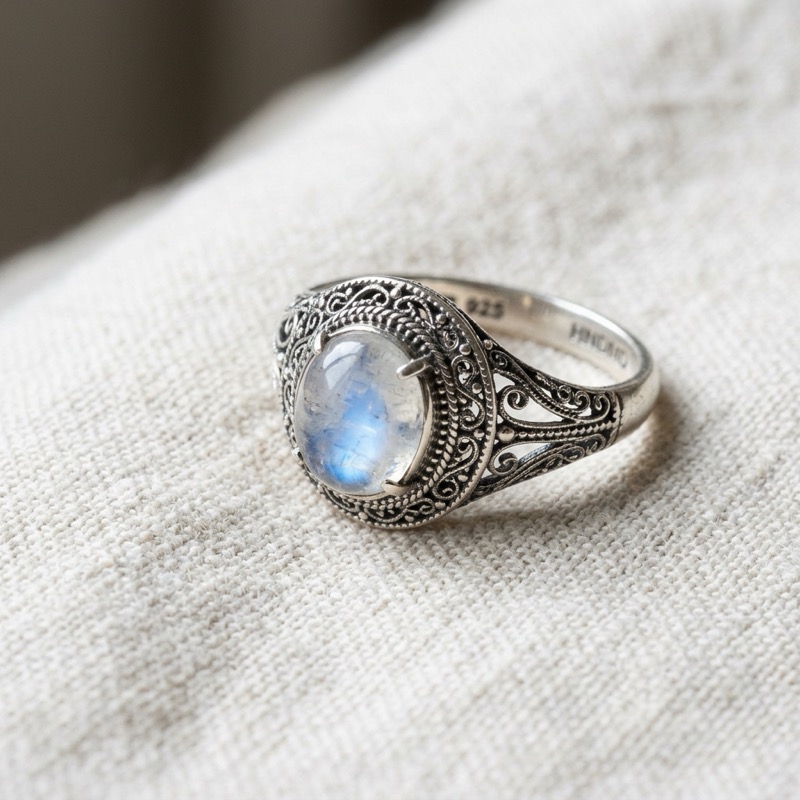
Micro-Detail Marketing: How to Sell Jewelry Online with Close-Up Photography
Jewelry is one of the most lucrative and popular categories in the handmade economy. Because rings, necklaces, and earrings are lightweight and small, they are inexpensive to ship and take up very little studio storage space.
However, because jewelry is small, capturing its true beauty online requires specialized skills. Shoppers want to see the sparkle of a gemstone, the texture of hammered metal, and the quality of clasps and solder joints.
To build a successful online jewelry brand, you must focus on close-up photography setups, write transparent material details, and protect your margins from marketplace fee structures. Here is how.
1. Mastering Macro Jewelry Photography
Standard camera lenses cannot focus closely enough to capture the intricate details of a ring or pair of earrings. To showcase fine metalwork, you need to use macro photography techniques:
- Use a Macro Lens or Attachment: If you shoot with a smartphone, invest in an inexpensive clip-on macro lens. This allows your camera to focus from just inches away, revealing the tiny details of your metalwork.
- Diffuse the Light: Shiny metals (like polished silver or gold) reflect everything in their environment, including you, your camera, and harsh light bulbs. Use a white photo tent or place a thin sheet of white paper between your light source and the jewelry to create soft, diffused lighting.
- Eliminate Camera Shake: When shooting close-ups, even the tiny vibrations of tapping your phone screen can cause blur. Use a sturdy tripod and a camera timer (set to a 2-second delay) to ensure your shots are perfectly crisp.
- Show Scale: Photograph a model wearing the jewelry (such as a ring on a hand, or a necklace around a neck) so customers can visualize how the piece looks when worn.
2. Transparent Material and Allergy Guides
Buying jewelry online is an act of trust. Many people have skin sensitivities or allergies to specific metals, such as nickel. To build trust and prevent returns, write a detailed material list in your product descriptions:
- Specify the Metals: Clearly state if your pieces are solid sterling silver, 14k gold-filled, brass, copper, or gold-plated.
- Highlight Hypoallergenic Qualities: If you use titanium, surgical steel, or sterling silver ear wires, state clearly that they are "nickel-free and hypoallergenic."
- List Gemstone Details: Clarify whether gemstones are natural, lab-created, or glass, and list their dimensions in millimeters.
3. The Pricing Challenge: High Value, Tight Margins
Jewelry materials (sterling silver wires, gold-filled chains, semi-precious stones) are expensive. Because of these high raw material costs, handmade jewelry listings often have higher prices than other crafts, even though they are small.
This is where traditional marketplaces pose a threat to independent jewelry designers. Because your items have high transaction values, percentage-based transaction fees take a massive bite out of your earnings.
Worse, legacy platforms force successful sellers into mandatory Offsite Ads programs. If a buyer clicks a Google or Facebook ad and purchases one of your $200 necklaces up to 30 days later, the marketplace takes an extra 12% to 15% ad fee on top of their standard transaction fees. This can wipe out your profit margin entirely.
At Wabbus, we protect jewelry designers with a 0% platform commission and no listing fees. You keep 100% of your jewelry sales value, allowing you to invest in premium gemstones and build a sustainable business.
To see how much of your jewelry profit is leaking to marketplace advertising fees, try our interactive Offsite Ad Fee Savings Estimator and see the difference Wabbus makes.
By combining sharp macro photography, transparent listings, and a fee-free store, you can build a premium brand that retains its value and thrives independently.