How to Sell Handmade Soap & Bath Cosmetics Legally: Compliance Guide
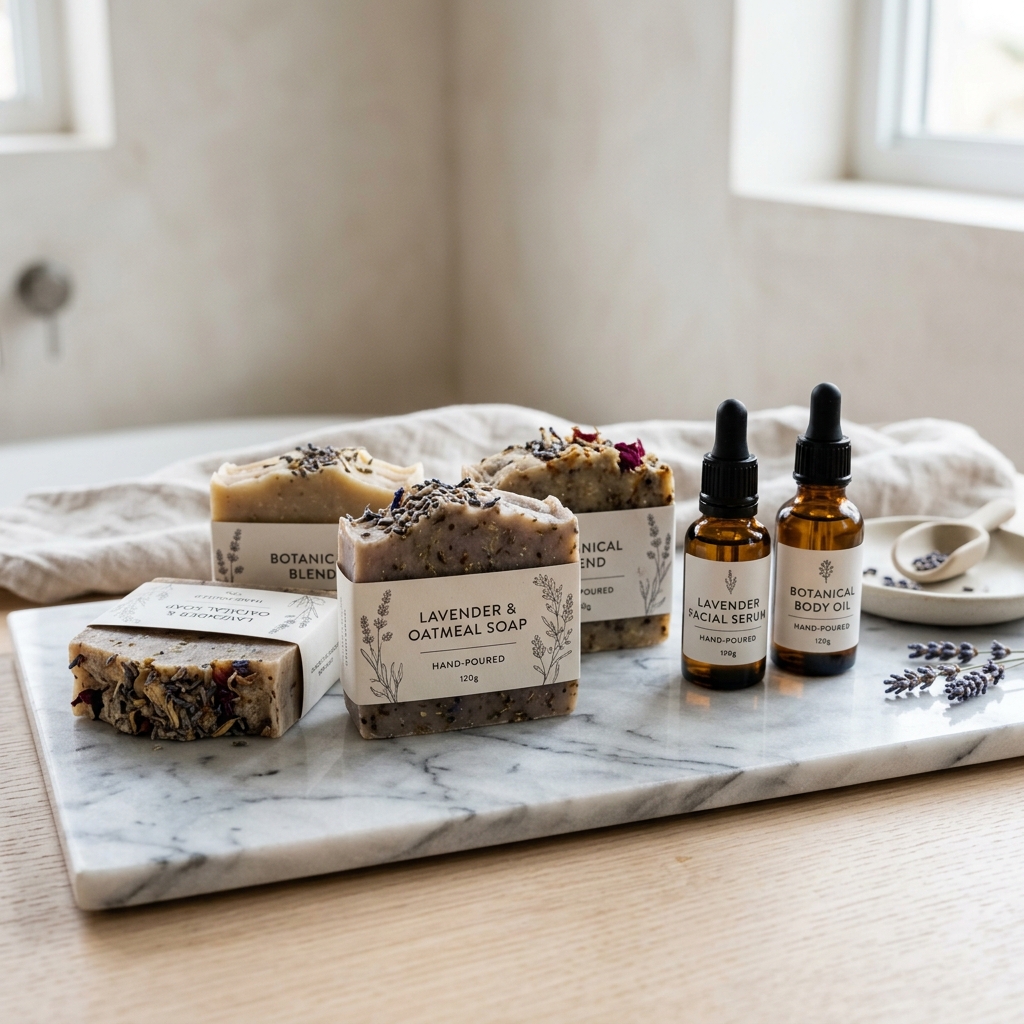
Creating hand-poured botanical soaps, whipped body butters, and aromatic bath bombs is one of the most creative and profitable craft businesses you can launch. Bath and body products have high repeat-purchase rates, making them ideal for building long-term customer loyalty.
However, because skin products directly contact the body, selling soap and cosmetics carries strict legal regulations. Mislabeling ingredients or making unapproved health claims can result in fines or product recalls.
Here is your straightforward legal and labeling compliance guide for selling artisan soaps and cosmetics online.
1. True Soap vs. Cosmetic Products (The Legal Classification)
Under regulatory frameworks (such as the FDA in the US and equivalent cosmetic authorities worldwide), there is a big legal distinction between true soap and cosmetics.
What is "True Soap"?
To be legally classified as true soap, your product must meet 3 criteria:
- It consists mainly of alkali salts of fatty acids (traditional lye + oils saponification).
- It makes no medical or skincare claims (e.g. no claims like "cures eczema", "reduces acne", or "anti-aging").
- It is labeled and sold solely as a body cleanser.
If your product meets all 3 criteria, it is exempt from heavy cosmetic regulations. However, if you add moisturizers, synthetic fragrances, or claim it "hydrates skin" or "treats skin conditions", it is legally classified as a cosmetic and must comply with full cosmetic labeling laws.
2. Essential Product Labeling Requirements
Every product you ship must feature a clear, legible physical label. Your product listing on your storefront should mirror this exact information.
| Required Label Element | Description & Best Practice |
|---|---|
| Statement of Identity | What the product is in plain language (e.g., "Lavender Oatmeal Soap Bar"). |
| Net Quantity of Contents | Exact weight in grams and ounces (e.g., "Net Wt. 4.5 oz / 127g"). |
| Ingredient Declaration | Listed in descending order of predominance by weight, using standard INCI names. |
| Manufacturer Contact Info | Business name, city, state/zip code, and storefront web address. |
| Usage & Safety Warnings | Instructions like "For external use only. Discontinue if irritation occurs." |
3. INCI Ingredient Listing Rules
When listing ingredients on your physical product packaging and on your Wabbus product descriptions, use the International Nomenclature of Cosmetic Ingredients (INCI) standard alongside common names:
- Saponified Oils Example: Saponified Olive Oil (Sodium Olivate), Coconut Oil (Sodium Cocoate), Shea Butter (Sodium Shea Butterate).
- Botanicals & Fragrances: Lavender Essential Oil (Lavandula Angustifolia), Dried Chamomile Flowers (Chamomilla Recutita).
Always list colorants and botanicals clearly so buyers with allergies can inspect the full ingredient breakdown before purchasing.
4. Batch Tracking & Good Manufacturing Practices (GMP)
To protect your business against liability:
- Keep a Batch Log: Assign a unique Lot/Batch Number (e.g.,
LOT-2026-0807-LAV) to every batch of soap or lotion you pour. Record the date, raw material supplier lot numbers, and total units produced. - Sanitize Equipment: Thoroughly sanitize your stainless steel pots, silicone molds, and spatulas with 70% isopropyl alcohol before every production run.
- Carry General & Product Liability Insurance: Insurance for bath & body makers is surprisingly affordable and protects your business against allergic reaction claims.
5. Setting Up Your Storefront for Bath & Body Sales
Having your own dedicated storefront allows you to present your products professionally while maintaining complete compliance:
- Unlimited Ingredient Descriptions: Unlike restrictive marketplace listing templates, your independent Wabbus shop lets you provide rich, formatted ingredient lists, origin stories, and care instructions.
- Custom Batch Disclaimers: Display clear disclaimers ("Hand-cut bars; color and weight may vary slightly") to set accurate buyer expectations.
- Direct Customer Communication: Maintain direct email contact with buyers in case you ever need to issue product updates or restock alerts.
Legal & Compliance Checklist
- Is your product correctly identified as true soap or cosmetic?
- Are ingredients listed in descending order by weight using INCI names?
- Is the net weight printed clearly on the front panel of the package?
- Are safety disclaimers included on physical labels and your storefront?
- Are batch numbers assigned and recorded in a manufacturing logbook?