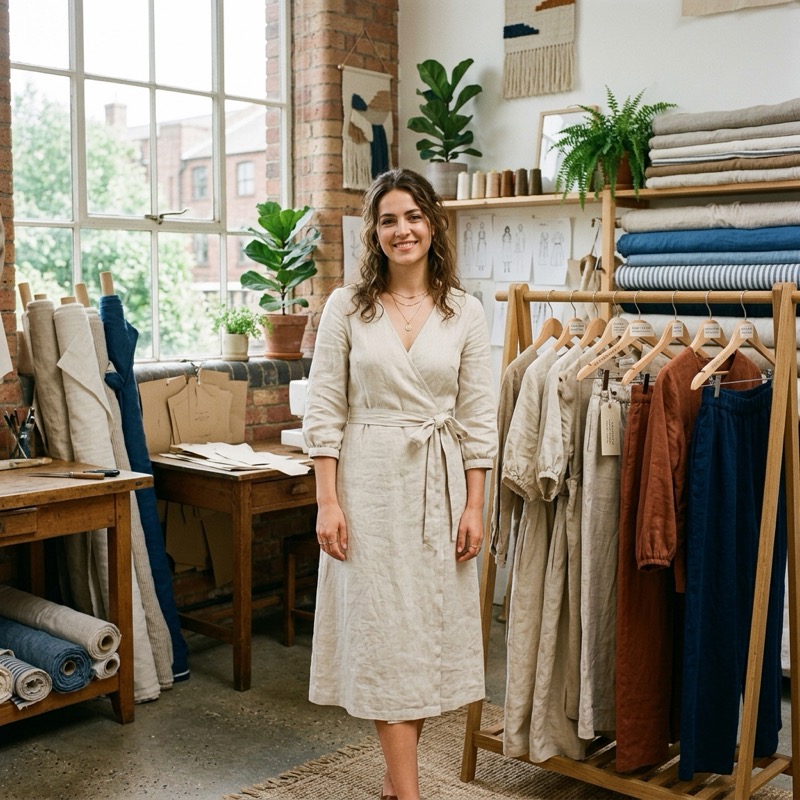
How to Sell Handmade Clothes Online: Sizing, Photography, and Launching Your Label
The market for unique, slow-fashion garments is booming. Consumers are increasingly turning away from fast-fashion retailers in search of high-quality, ethically made clothing that expresses their individuality.
If you sew, crochet, knit, or dye garments, launching an online clothing brand is a natural next step. However, selling apparel online comes with unique challenges. Unlike buyers in a physical boutique, online shoppers cannot try on your clothes or feel the fabric.
To build a successful, profitable clothing line, you must bridge this gap by mastering three areas: sizing transparency, product photography, and selecting the right selling platform. Here is how to get started.
1. Demystifying Sizing: Give Exact Measurements
The number one reason for customer returns in online apparel is incorrect fit. Standard labels like "Small," "Medium," or "Large" vary drastically between brands, making them unreliable for buyers.
To minimize returns and build buyer confidence, you must provide a detailed size chart for every garment. For each size, list the exact flat measurements of the clothing piece:
- Chest/Bust: Measure from armpit to armpit.
- Waist & Hips: Measure at the narrowest and widest parts of the garment.
- Total Length: Measure from the highest point of the shoulder to the bottom hem.
- Sleeve Length: Measure from the shoulder seam to the cuff.
Additionally, describe the stretch level of the fabric (e.g., "This linen fabric has no stretch, please size up if you prefer a relaxed fit" or "This ribbed knit stretches up to 3 inches").
2. Capture Fabric and Fit with Photography
Your photos must act as the customer's eyes and hands. To show the quality of your work, combine two styles of photography:
- Model Shots (Fit & Movement): Show your garments on a person. This helps buyers understand how the fabric drapes, where the hem falls, and how it moves. Make sure to list the model's height and the size they are wearing in the product description.
- Flat-Lays & Close-Ups (Detail & Texture): Lay the garment flat on a clean, neutral background. Take close-up photos of sewing seams, button details, embroidery, or knit patterns. Show the inner lining. High-quality sewing details are your major selling points—put them on display!
Always shoot in bright, natural light (near a large window or outdoors on an overcast day). Avoid yellow indoor lighting, which distorts the colors of your fabrics.
3. Custom Orders and Made-to-Measure
One of the greatest competitive advantages of independent clothing designers is the ability to offer custom fits or made-to-measure orders.
Instead of pre-making dozens of garments in sizes that might not sell, you can offer a "made-to-order" model. In your listing, allow buyers to submit their personal measurements (chest, waist, height) during checkout so you can tailor the piece specifically for them. This reduces inventory storage costs and waste, making your business more sustainable.
4. Reclaiming Your Margins
Handmade clothing requires significant investments of time and high-quality raw materials (such as organic cotton, linen, or hand-spun wool). Traditional online marketplaces eat deep into these tight margins by charging listing fees, transaction fees, and forcing you into paid advertising programs.
If you are selling a handmade dress for $150, legacy marketplaces can take up to $30 in combined fees, leaving you with less capital to reinvest in fabrics.
At Wabbus, we support independent apparel designers by offering a 0% platform commission and no listing fees. You keep the entire value of your sale, allowing you to invest in premium materials and eco-friendly packaging.
Learn how to easily list your collection and launch your brand risk-free by reading our guide on .
With accurate sizing, stunning photography, and a fee-free storefront, you have all the tools to turn your sewing or knitting passion into a thriving independent brand.