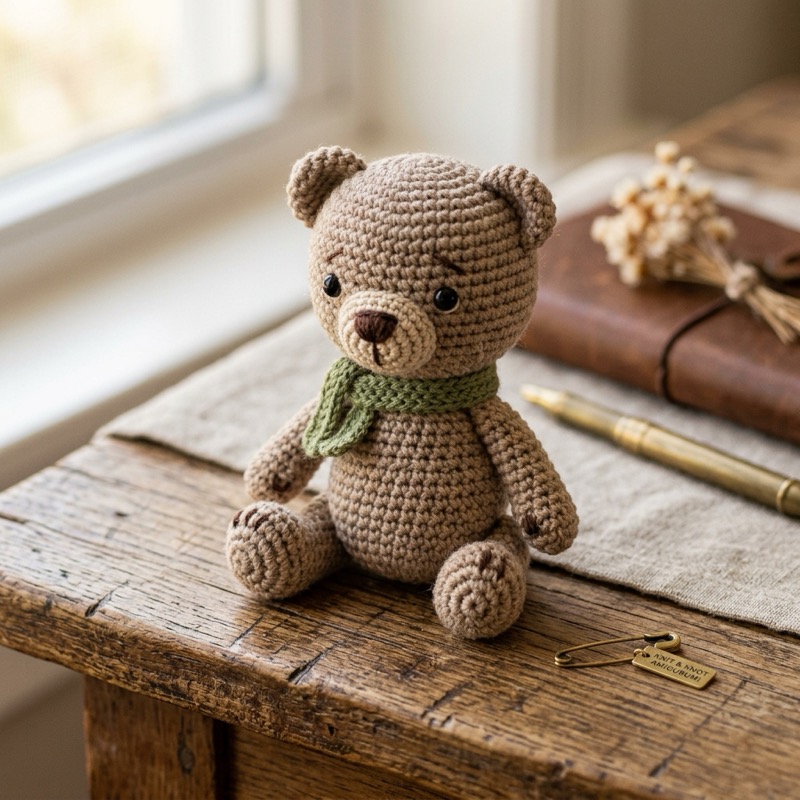
Stitched with Care: How to Sell Crochet Toys and Amigurumi Online
Amigurumi—the Japanese art of knitting or crocheting small, stuffed yarn creatures—has taken the crafting world by storm. From cute forest animals to custom fantasy figures, these handmade plushies make wonderful gifts and collectible art.
However, selling crochet toys online presents unique challenges. Because each toy is made entirely by hand, stitch by stitch, amigurumi is incredibly labor-intensive.
To build a profitable online crochet shop, you must price your labor fairly, navigate child toy safety regulations, and showcase the tactile quality of your stitches. Here is how to succeed.
1. The Pricing Formula: Value Your Labor
The biggest mistake crochet artists make is underpricing their work. It is common to see large, detailed crochet toys selling online for $20. When you subtract the cost of yarn, stuffing, and safety eyes, the maker is often earning less than $1 per hour of work.
To calculate a sustainable retail price, use this formula: $$\text{Price} = (\text{Hourly Wage} \times \text{Hours Spent}) + \text{Material Cost} + \text{Business Overhead}$$
- Set a Fair Hourly Wage: Value your skill. Even if you crochet while watching TV, your time has value. Set a target wage (such as $15/hour).
- Track Your Time: Use a timer while working on a new design so you know exactly how many hours go into a finished piece.
- Keep a Clean Workspace: Track yarn ounces and stuffing weights used per item to calculate exact material costs.
By pricing your work fairly, you shift your brand from a low-priced commodity to a premium, heirloom-quality collectible.
2. Navigating Child Toy Safety Regulations
If you sell your crochet items as toys intended for children under 14, you must comply with strict safety regulations in your region. In the US, this is overseen by the CPSC; in Europe and the UK, it involves CE and UKCA marking.
Key safety guidelines include:
- Use Safety Eyes with Caution: Despite their name, plastic "safety eyes" can become choking hazards if they pull out of the crochet stitches. For toys intended for babies or toddlers under 3, embroider the eyes using black yarn instead.
- Select Certified Materials: Use yarns and toy stuffings that are certified non-toxic and flame-retardant (such as Oeko-Tex certified cotton yarns). Keep records of your material invoices.
- Construct for Durability: Pull test your seams. Make sure all limbs are sewn onto the body with heavy-duty thread and double-knotted. Children's toys must survive pulls, throws, and washes.
If you prefer to bypass these complex certifications, list and label your items clearly as "Adult Collectibles – Not Intended for Children Under 14."
3. Photographing Tactile Stitch Textures
Amigurumi is highly tactile. Buyers want to see the softness of the yarn, the tightness of your stitches, and the shape of the toy.
To display your work:
- Show Close-Up Stitch Detail: Take high-resolution photos of the stitches. Tight, uniform single-crochets are the hallmark of high-quality amigurumi.
- Shoot in Natural Light: Direct indoor lighting makes yarn look washed out. Bright, diffused natural light highlights the true depth of yarn colors and textures.
- Stage with Personality: Give your amigurumi character! Photograph a crochet fox sitting in a rustic wooden tray with pinecones, or a crochet bear next to a small stack of books. Staging builds an emotional connection with the buyer.
4. Care and Washing Instructions
Yarn gets dirty, especially if handled by children. To prevent disputes and build brand trust, include a detailed care guide in your product descriptions and on a printed tag inside the box.
State whether the item can be machine-washed on a gentle cycle, or if it must be hand-washed and laid flat to dry.
5. Protecting Your Labor Margins
Because crochet toys take hours to create, your profit-per-hour is thin. If you sell a detailed dragon plushie for $80, a traditional marketplace taking 10% to 15% in transaction and processing fees can cost you $12 of your hard-earned income. That represents another hour or two of labor taken away by platform overhead.
At Wabbus, we support crochet artists by offering a 0% platform commission and no listing fees. You keep 100% of your sales value, allowing you to earn a fair wage for your stitching hours.
Learn how to list your plushies and build an independent storefront by reading our guide on .
With fair labor pricing, compliant safety standards, and a fee-free store, you can build a sustainable, premium amigurumi brand that values your time and craft.